Introduction
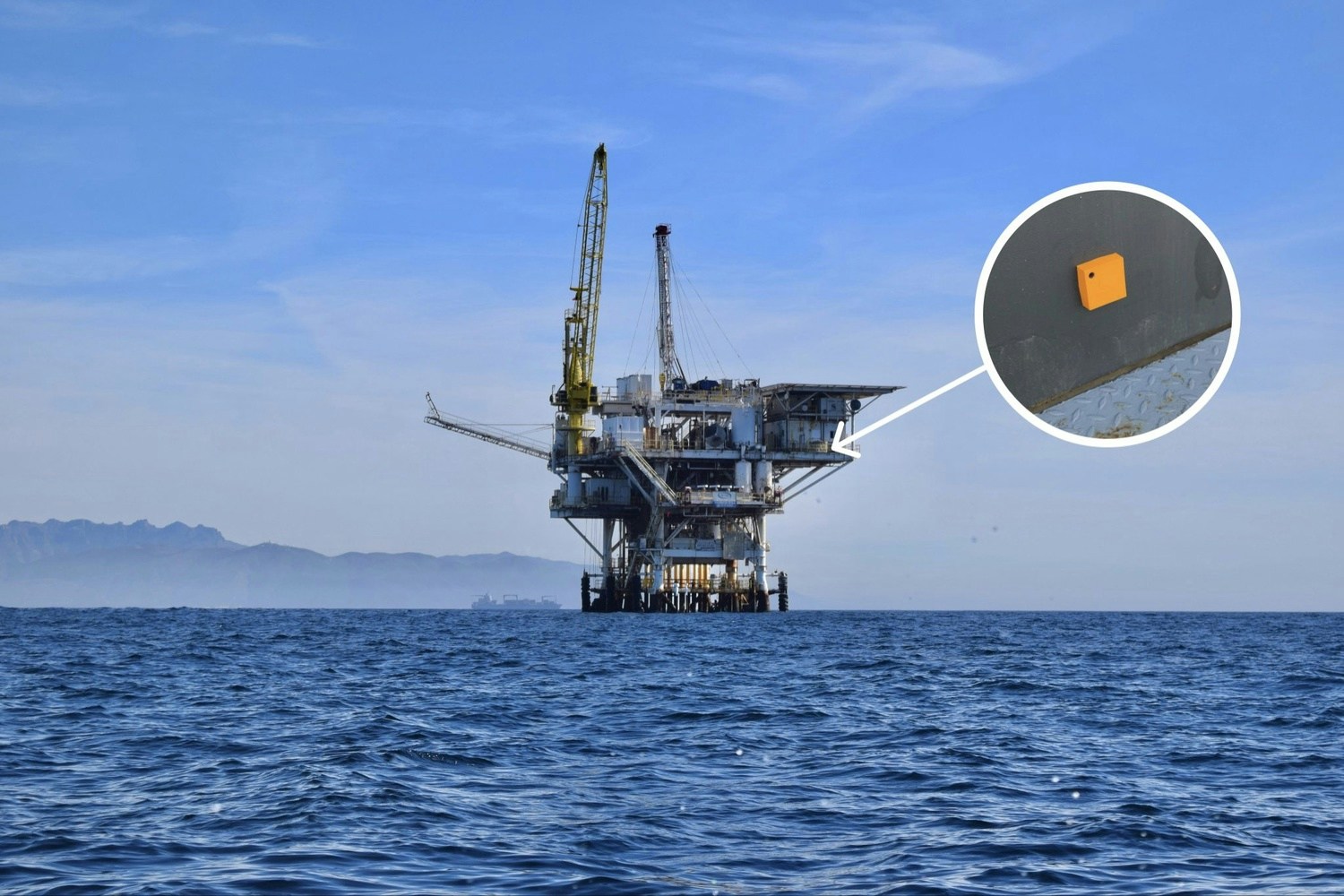
Gas detection is critical for ensuring the safety of workers in the oil and gas industry. Gas leaks can occur at any stage of production, from drilling and refining to transportation and storage. Gas sensors must be able to detect a wide range of gasses, including combustible gasses like methane and propane, as well as toxic gasses like carbon monoxide and hydrogen sulfide. Gas detection systems have traditionally been based on point sensors, which are placed at strategic locations throughout a facility. These sensors are connected to a central control panel, which monitors the gas concentration in each location. If a gas leak is detected, an alarm is sounded and workers are evacuated from the area.The Challenge
Even if they are the industry standard, traditional gas detection systems based on point sensors have several limitations.- They are limited by their space density, as they can only detect gas in the areas where they are positioned, meaning that leaks in other parts of the facility may go undetected.
- They are limited by network coverage. Many wireless communication-dependent sensors are prone to malfunction during severe weather events, leaving unsupervised locations in the facility.
- These systems rely on human operators to evaluate the data and take action.
Our Solution
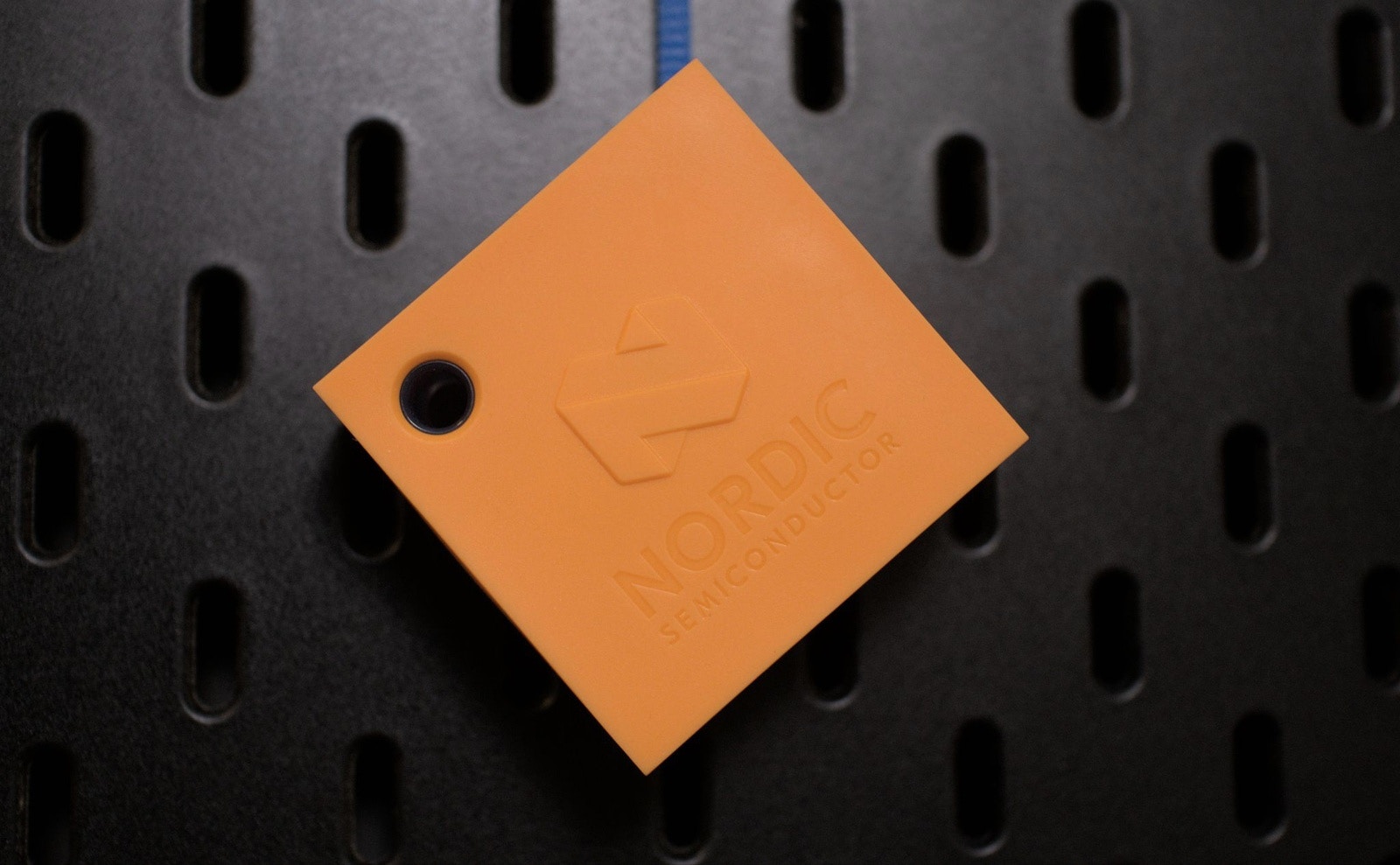
- As a static point sensor.
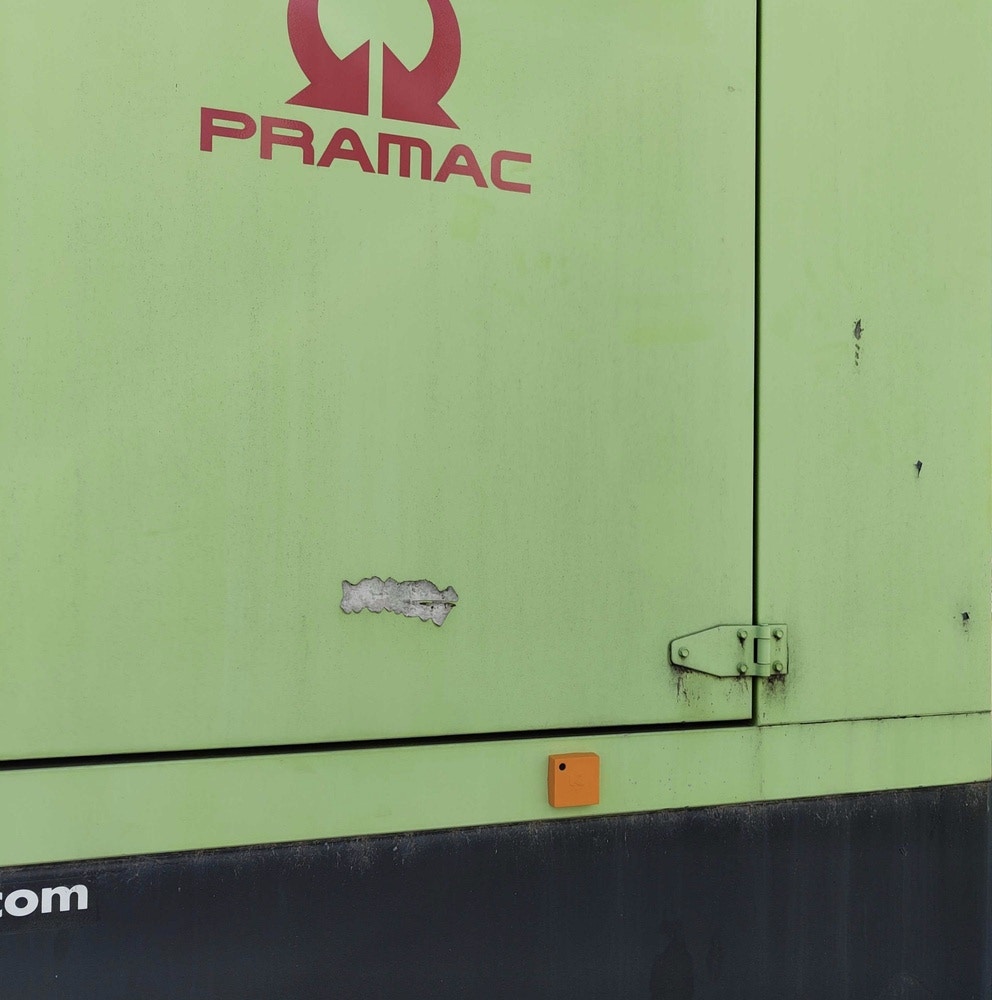
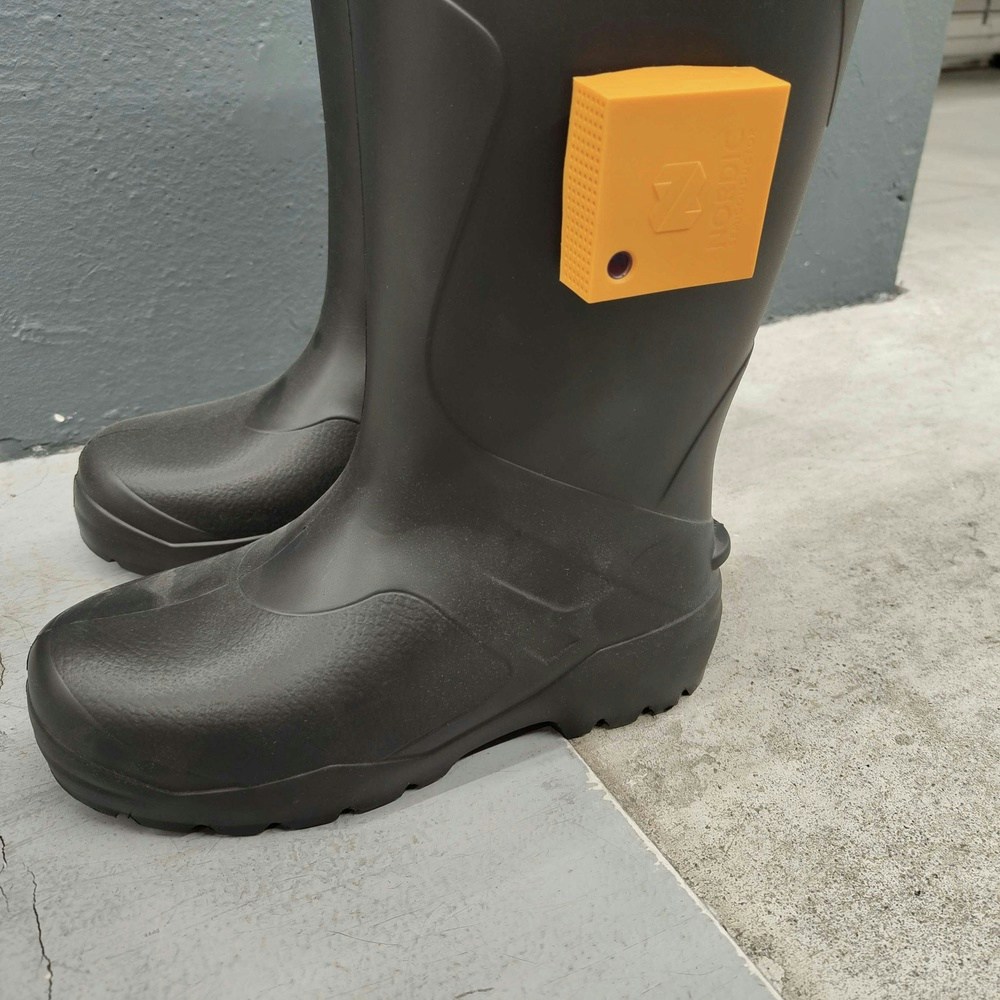
- As a wearable.
Hardware requirements
- Nordic Thingy:91
- Micro USB cable
Software requirements
- Edge Impulse account
- Edge Impulse CLI
- GIT
- nRF Connect 3.11.1
- nRF command line tools
Hardware Setup
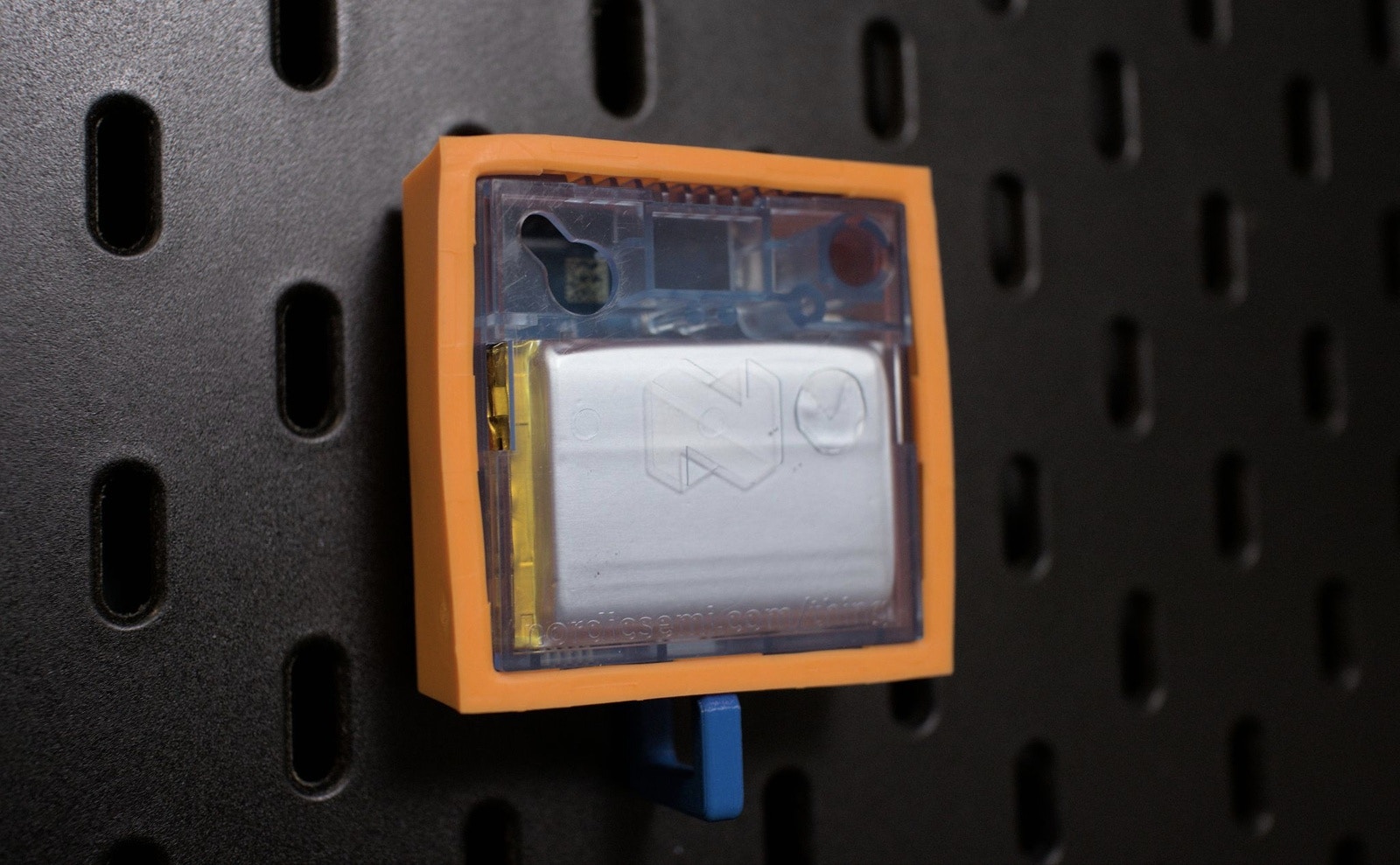
For this use-case, as mentioned above, we will be using the Thingy:91, a prototyping development kit created by Nordic Semiconductor. It is packed with sensors, making it a great pick for rapid prototyping and also, equipped with a nRF9160 System-in-Package (SiP) that supports LTE-M, NB-IoT and GNSS, allowing you to add a connectivity layer to any application. This development board comes equipped with a 64 MHz Arm® Cortex®-M33 CPU that is great for running TinyML models on the edge used to detect various phenomena, more specific for our use case, dangerous gas leaks.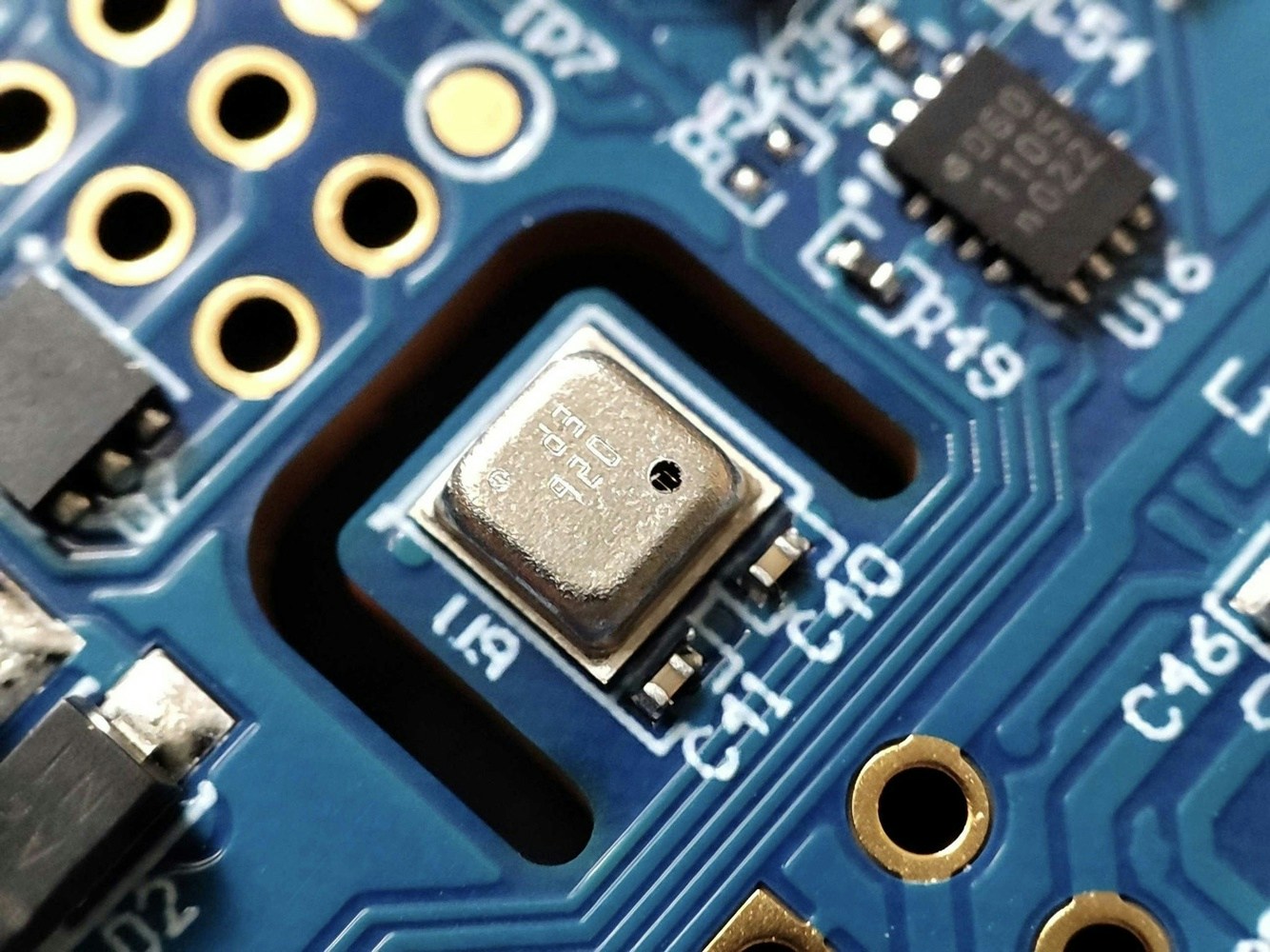
Software Setup
Creating an Edge Impulse Project
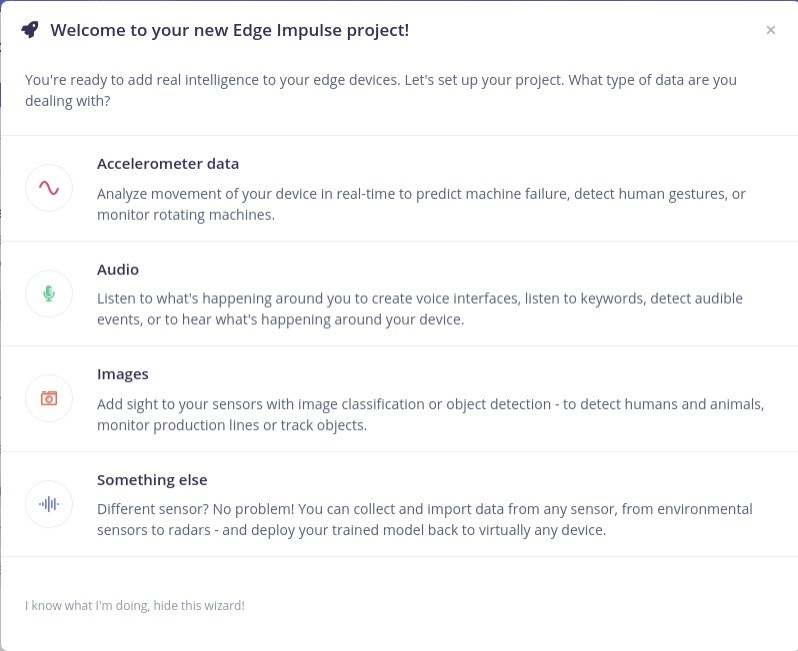
To build the machine learning model that will be used to detect dangerous leaks in environments characteristic to the oil and gas industry, we will be using the Edge Impulse platform. Register a free account and create a new project. Remember to give it a representative name and select Something else when asked what kind of data will be used to build the project.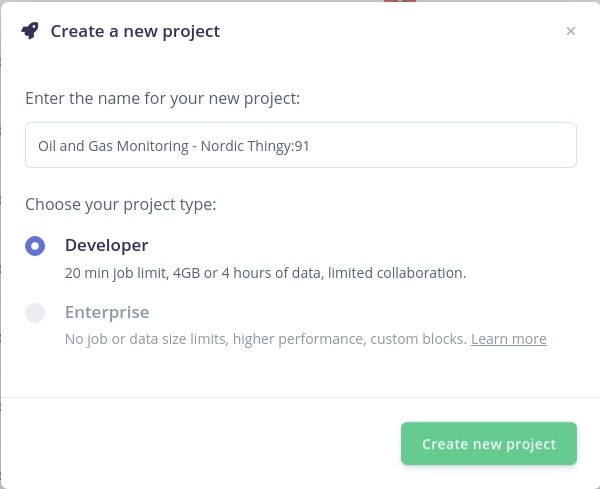
Connecting the Device
To connect the device to Edge Impulse, download nRF connect 3.11.1 and nRF command line tools from the official sources and install them. If you are going to be using a Linux computer for this application, make sure to run the following command as well: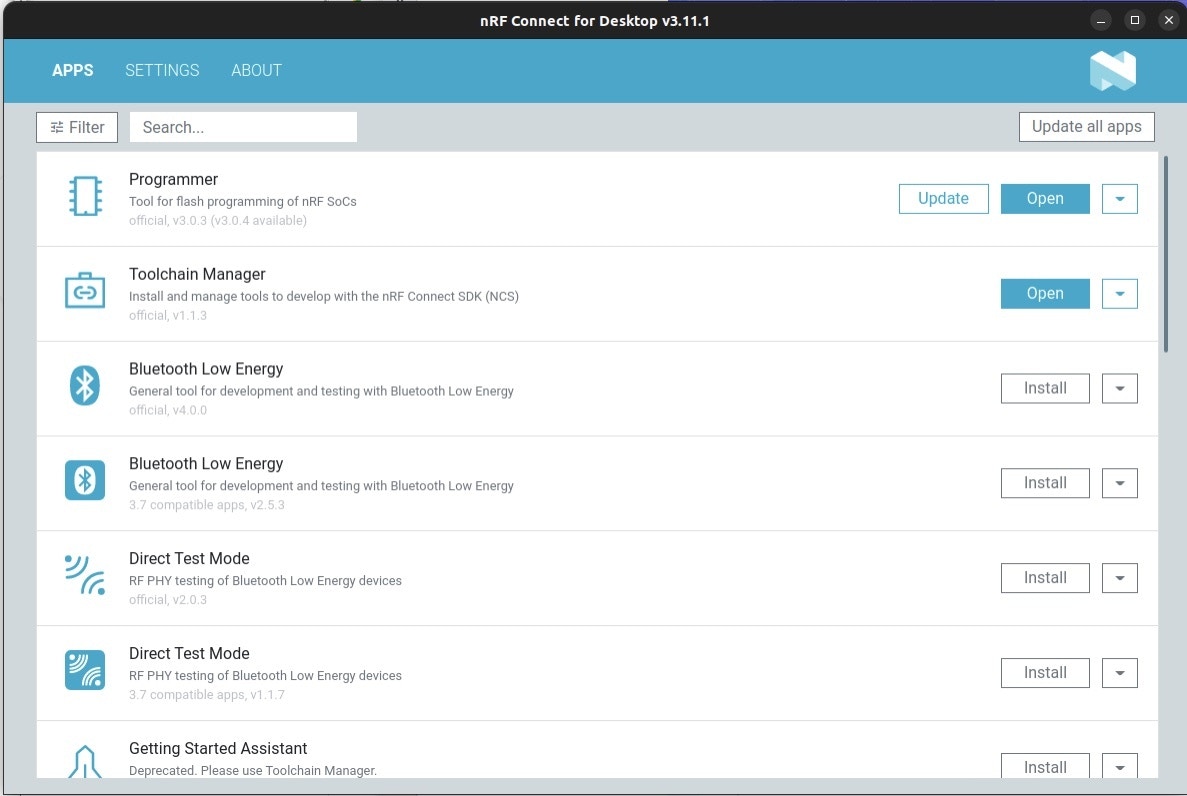
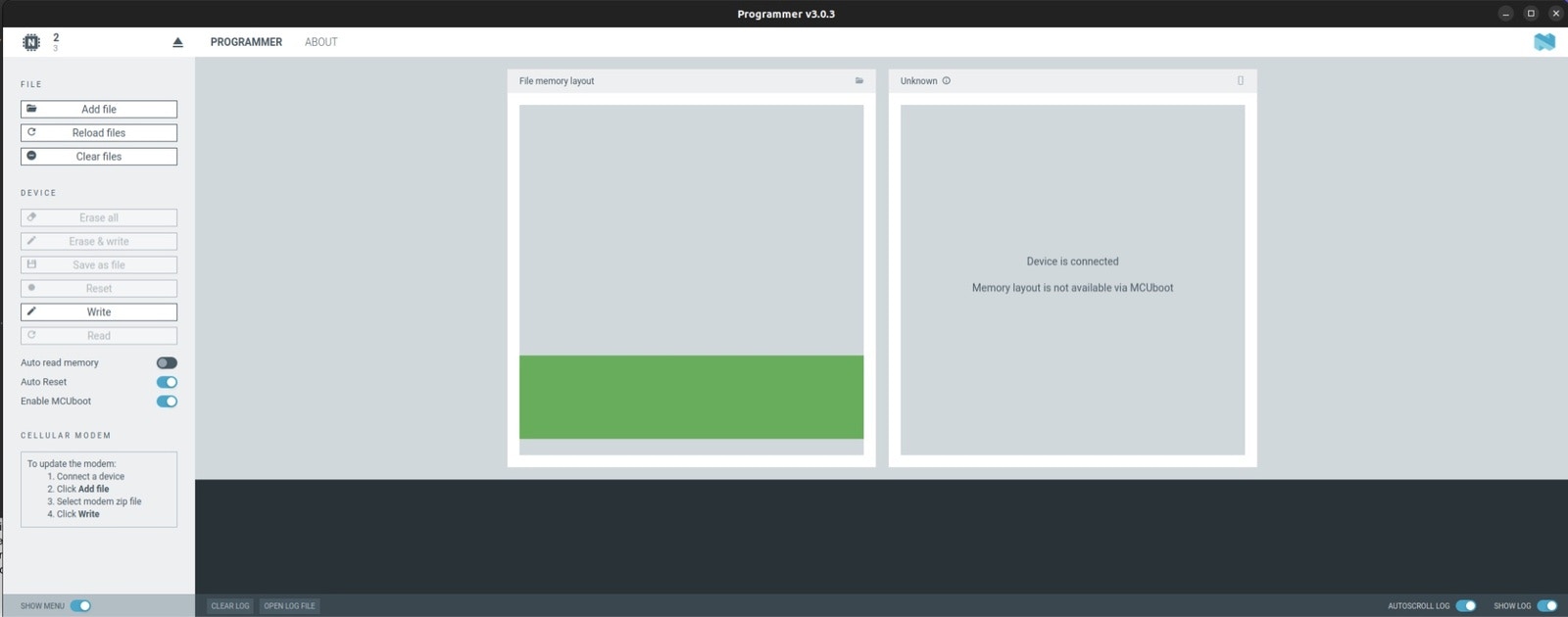
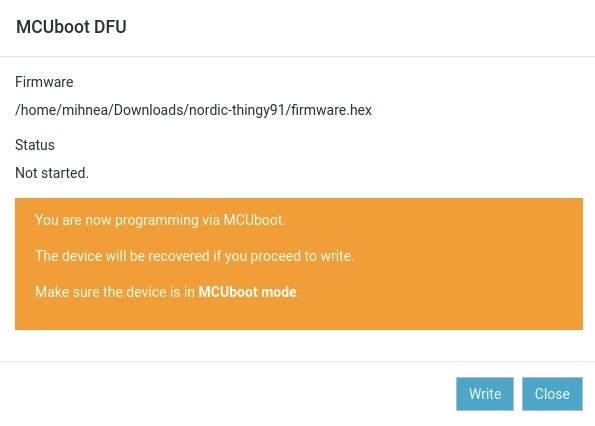
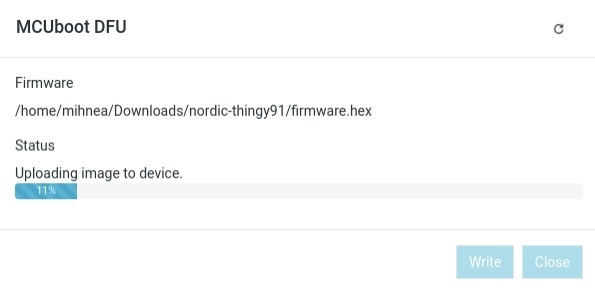
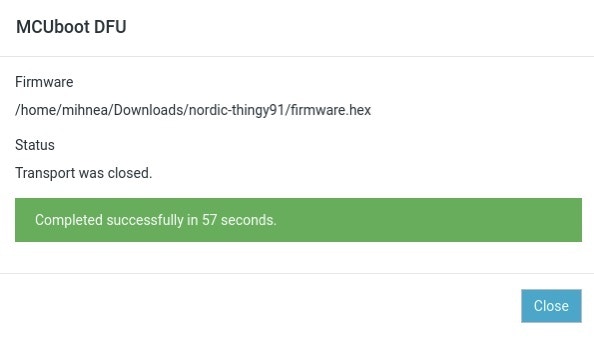
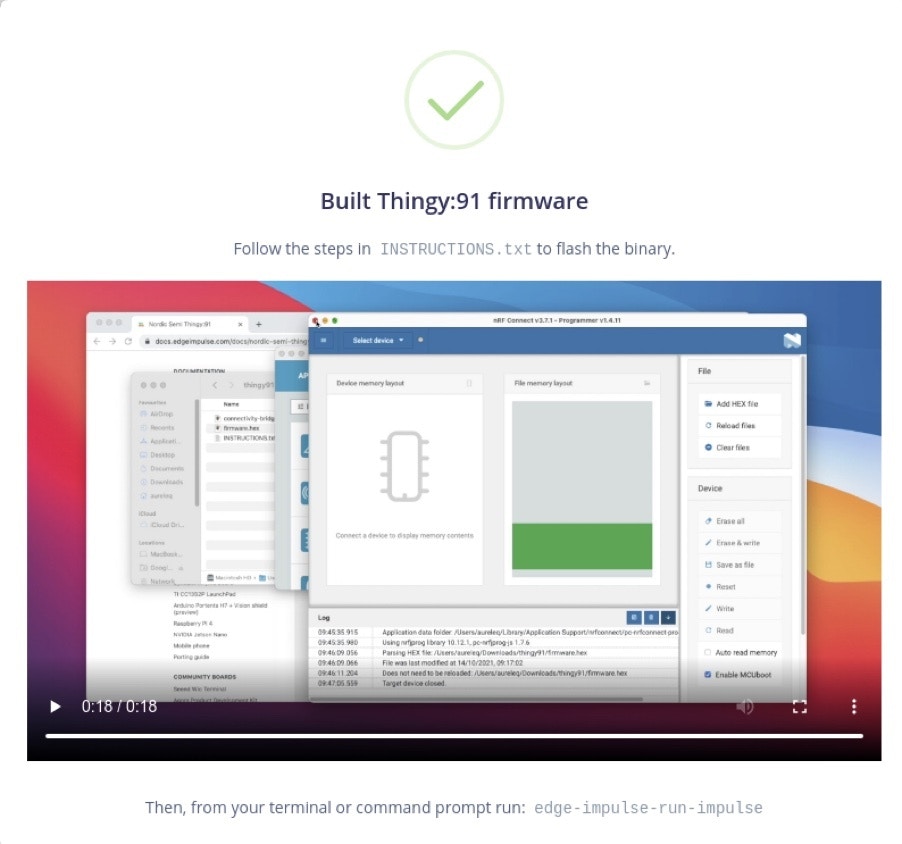
firmware.hex file in the Files area, make sure Enable MCUboot is enabled and press Write.

Building the Dataset
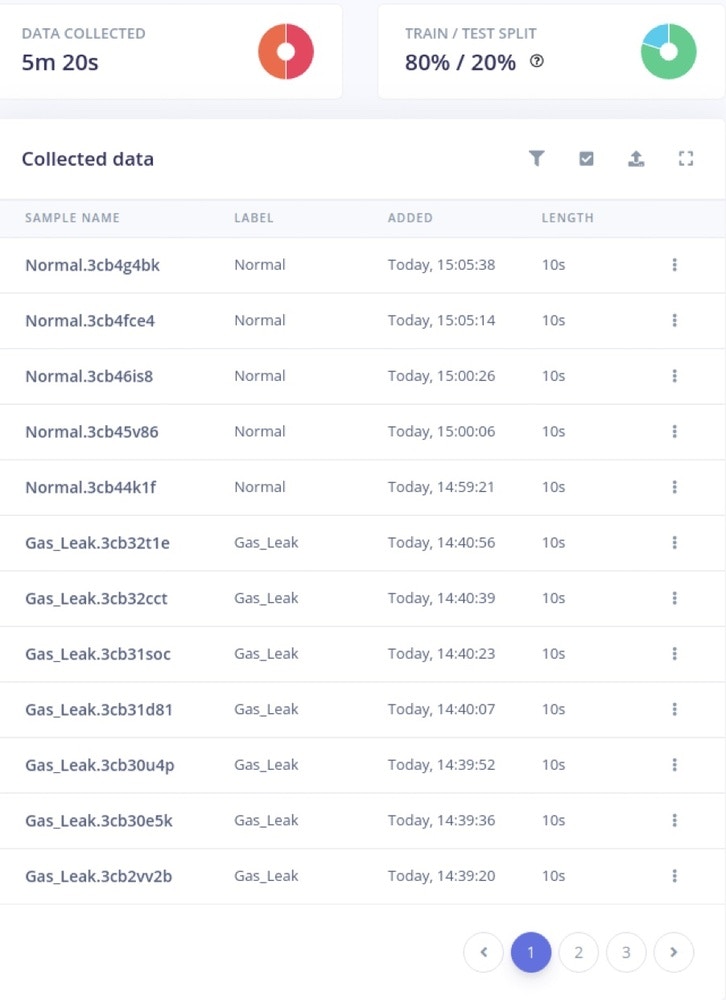
To create this data set, we have exposed the gas sensor to various gasses that might be encountered in environments specific to Oil and Gas industries like high concentrations of CO2, CO, and Isopropanol. To simulate increased concentrations of CO2, we have used a simple set-up that employs baking soda (Sodium Bicarbonate) and vinegar (Acetic Acid). By combining those 2 elements in a confined environment, the CO2 resulting from their reaction, being heavier than air, would spill from the container in which the reaction takes place and get picked up by the Nordic Thingy:91. To simulate an increased concentration of carbon monoxide, we have exposed the Thingy:91 board to wood smoke. Smoke is fundamentally a complex mixture of fine particles and compounds in a gaseous state like polycyclic aromatic hydrocarbons, nitrogen oxides, sulfur oxides, and carbon monoxide. Finally, to get a reading specific to an alcohol leakage, we have exposed the gas sensor to a bottle of 97% concentration Isopropanol. Being a very volatile compound, it quickly evaporates and is easily picked up by VOC sensors.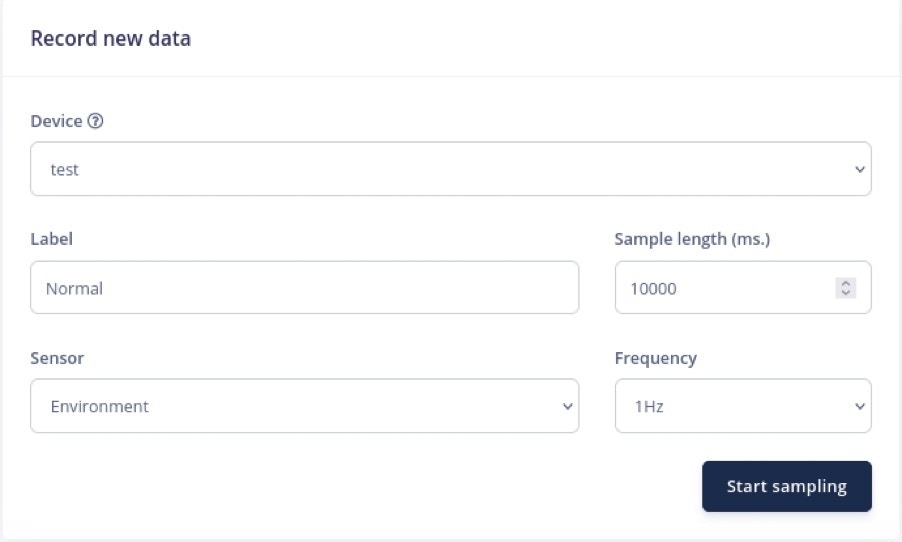
Designing the Impulse
It’s time to design the Impulse now that the dataset is available. The process of taking raw data from the dataset, pre-processing it into manageable chunks called “windows,” extracting the relevant features from them using digital signal processing algorithms, and then feeding them into a classification neural network to determine whether any anomaly in the running regime of the machinery is detected is set up at this point. An “Impulse” contains all the processes mentioned above in a manageable and easily configurable structure.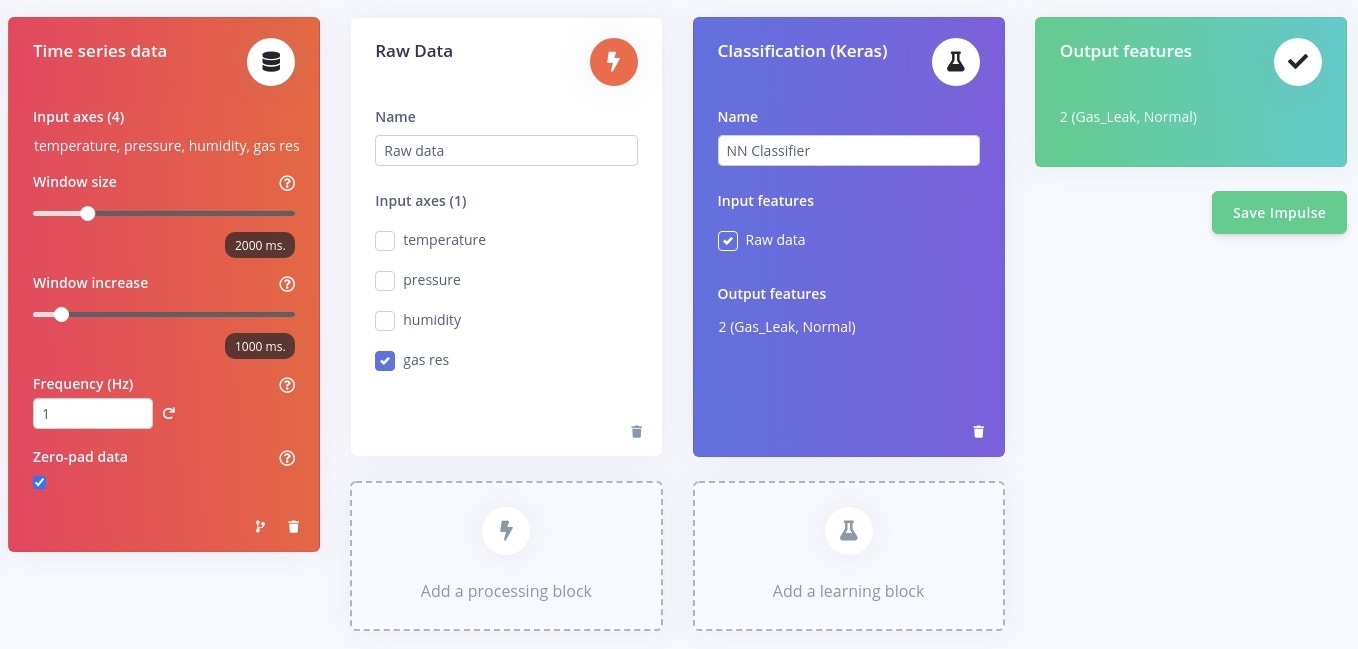
Configuring the Raw Data Block
Once you click “Save impulse”, you will notice that every block can be configured by clicking on its name, under the “Impulse Design” submenu. The Raw data block may be the simplest of the processing blocks, as it has only one parameter that can be modified, namely the “Scale axes” that we will set to 10. On the top side of the screen you can see the time-domain representation of the selected sample.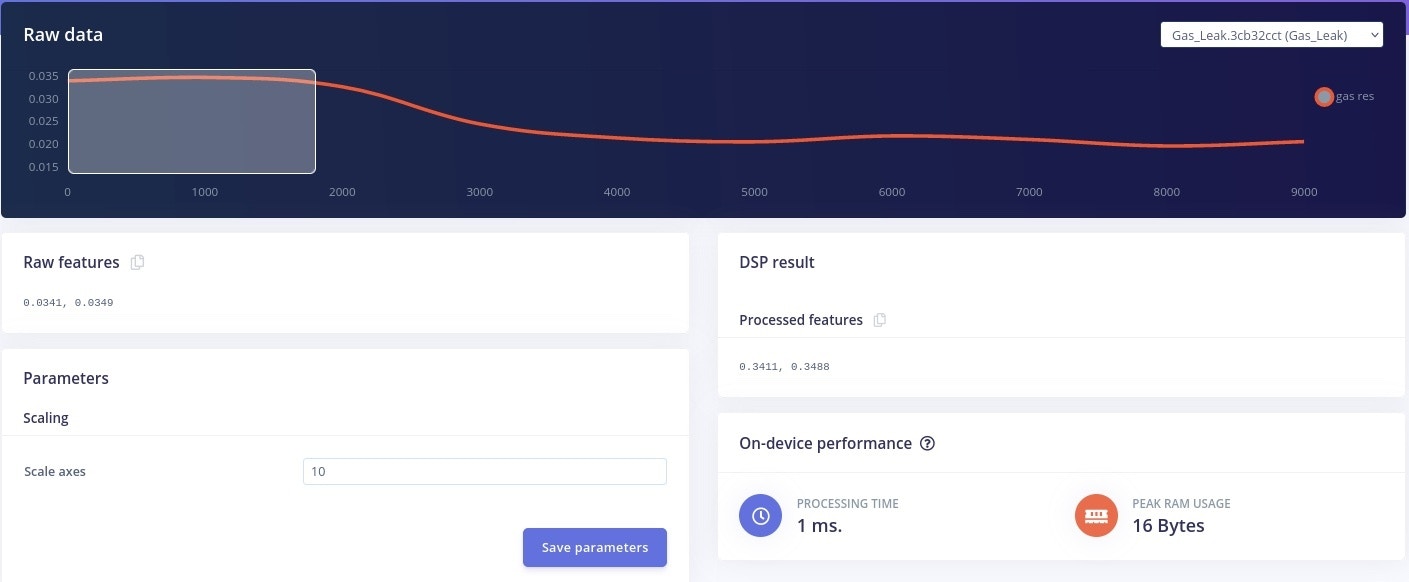
Model Testing
The Model Testing tab allows the user to see how the neural network fares when presented with data it has not seen before. Navigate to this tab and click Classify All. Edge Impulse will then feed all the data in the Testing data pool to the neural network and present you with the classification results and the performance of the model, just like during the training process.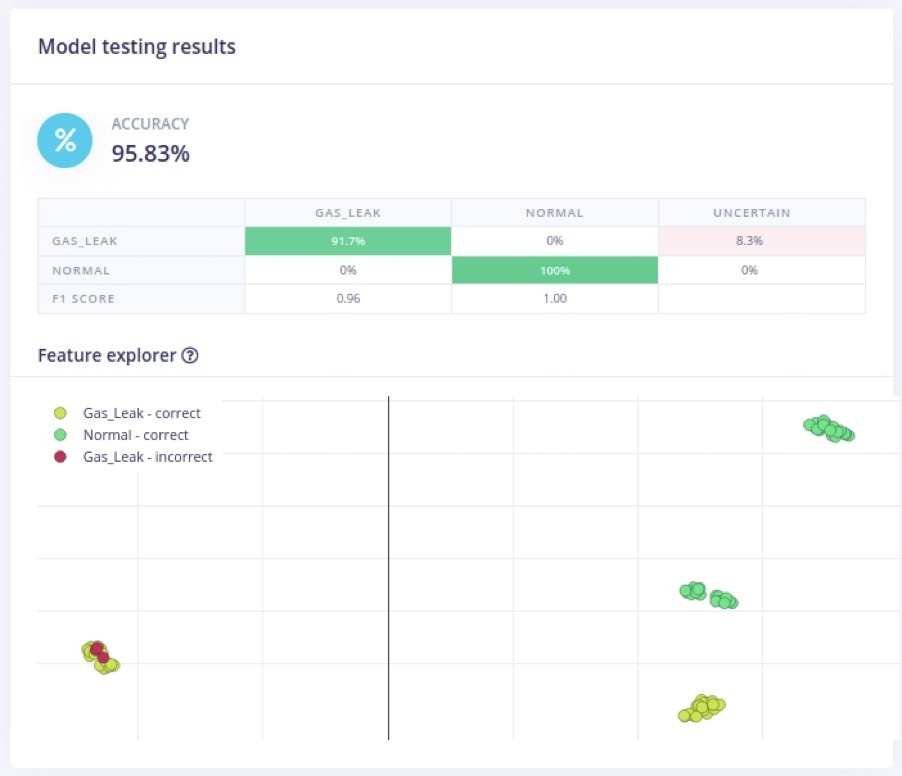
Increasing the Model Performance
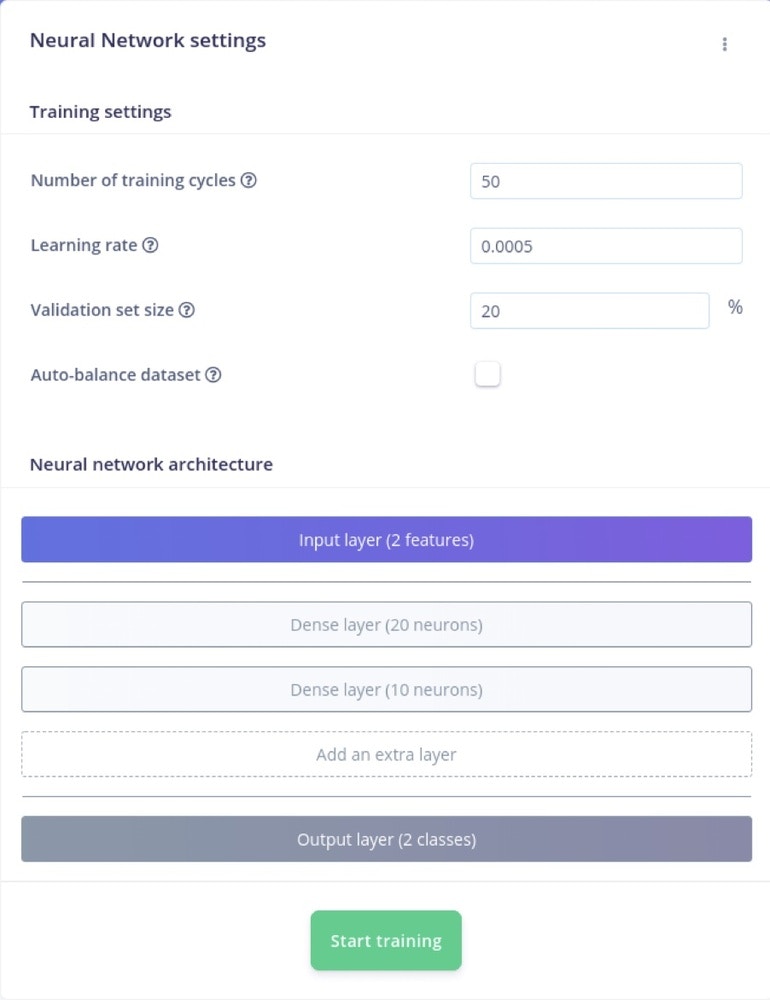
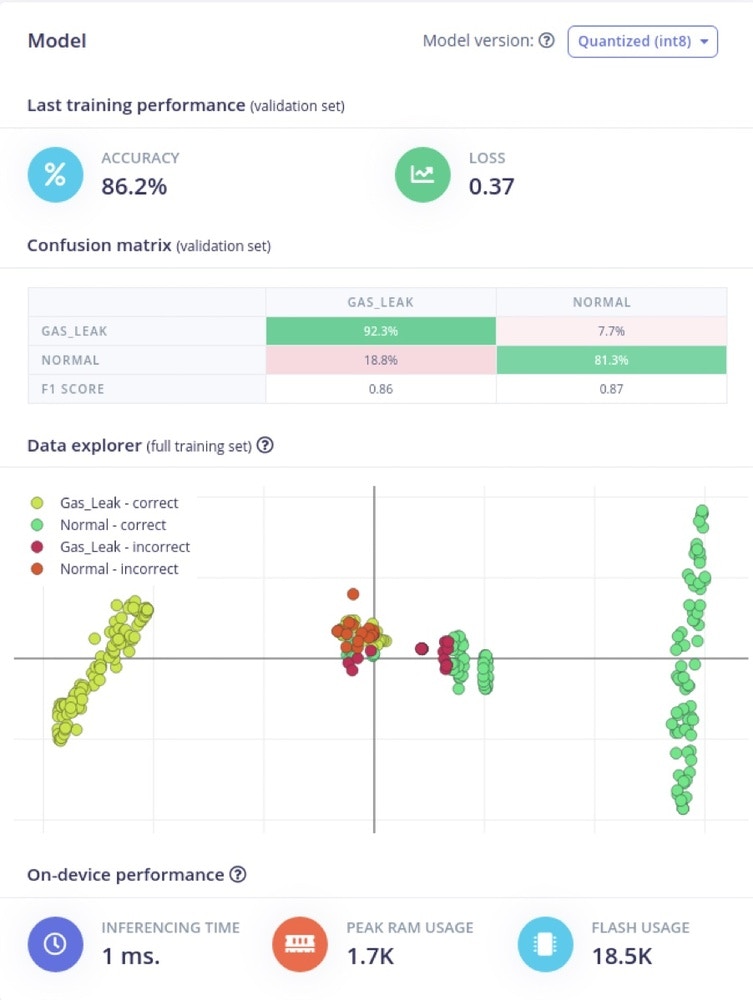
If your model manifests low performance when met with unseen data, there are various things you can do. First and foremost, the best thing you can do to increase the performance of the model is to give it more data. Neural Networks need a plentiful and balanced data set to be properly trained. In our case, the dataset was large but we managed to increase the performance of the model by increasing the number of training cycles and the learning rate of the model, a sign that our neural network was not trained enough. By increasing the number of training cycles to 100 and the Learning rate to 0.001, we observed a jump in performance on unseen data from 95.83% performance to 100% performance.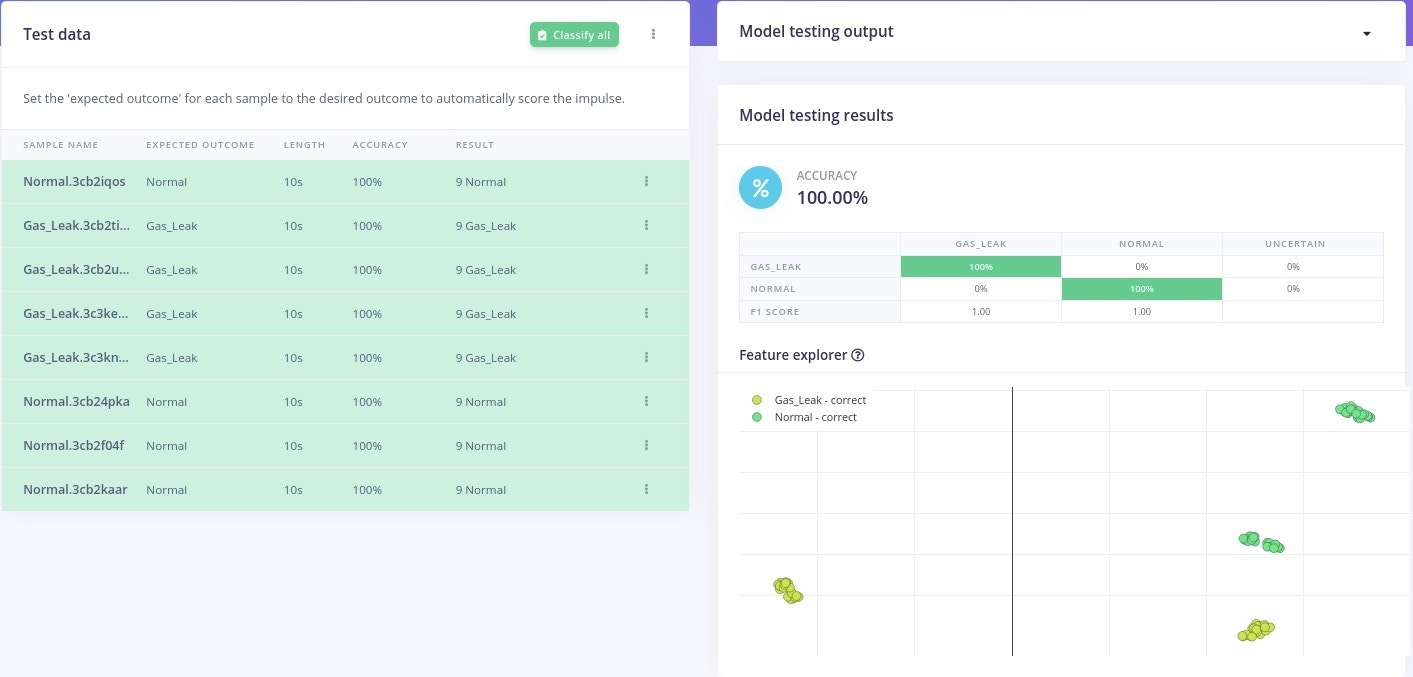
Deployment
Finally, it’s time to see how to model fares when deployed on the edge. Navigate to the Deployment tab and select Nordic thingy:91 under the Build firmware tab.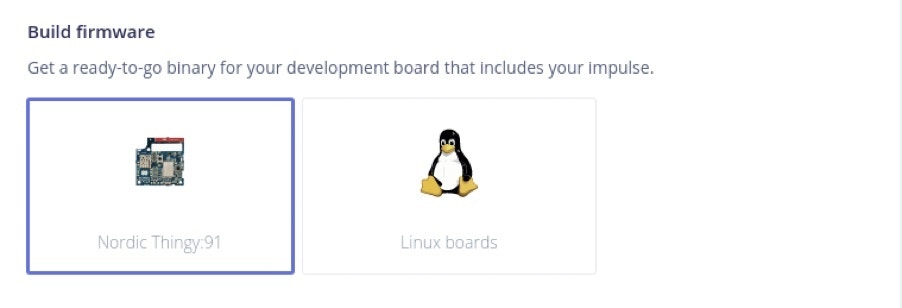
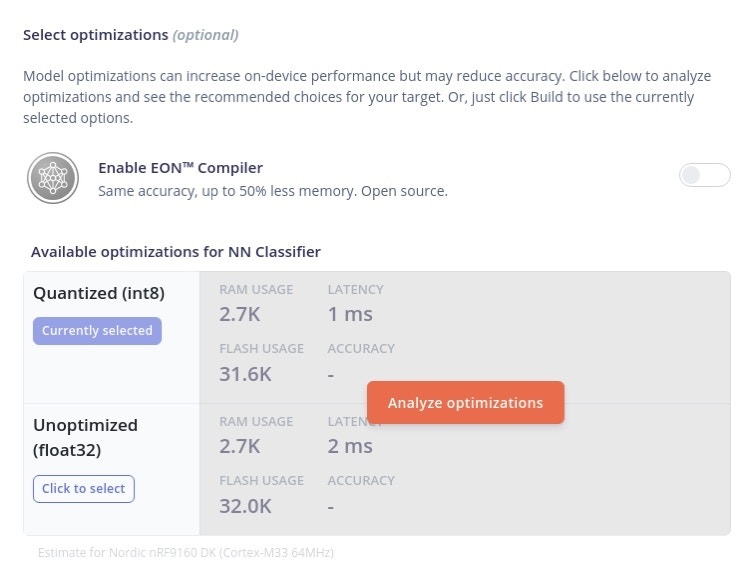
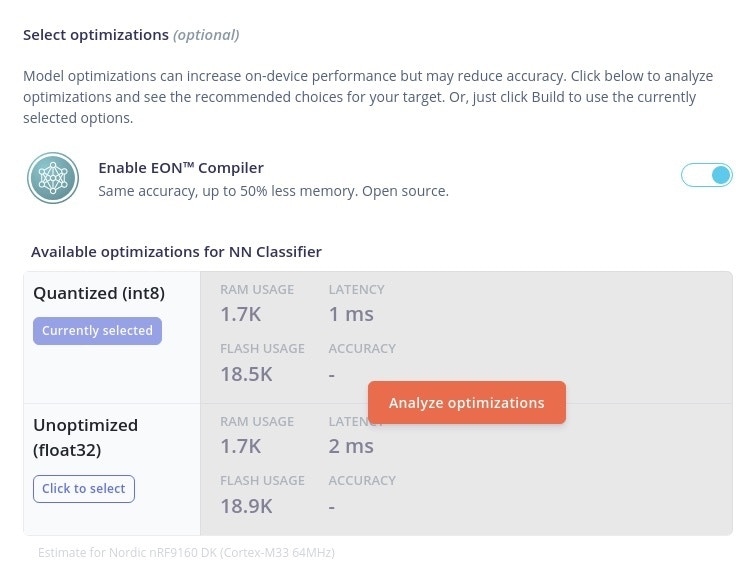
Creating Custom Firmware
When you consider the performance of the model when running on the target to be satisfying, Edge Impulse offers its users the ability to export the Impulse as a C++ library that contains signal processing blocks, learning blocks, configurations and the SDK needed to integrate the ML model in a custom application. By choosing this method of deployment you can build applications that can trigger alarms, log data or send notifications remotely by using the connectivity layer provided by the Nordic Thingy:91 platform. You can find a great guide about how you can Build an application locally for a Zephyr-based Nordic Semiconductor development board in the official Edge Impulse Documentation.Conclusion